Funder Focus: The City of Austin’s Cultural Arts Funding Programs

Nonprofit Professionals – join us for an upcoming online event: Funder Focus: The City of Austin’s Cultural Arts Funding Programs

Event Details: 🗓 Date: April 25th, 2024  ⏰ Time: Noon Central Time (one hour long)📍 Location: Online (Link provided upon registration). Learn more here.

About the Event: Sign up to learn about The City of Austin’s Cultural Arts Funding Programs: Thrive, Elevate and Nexus. These programs support the arts and prioritize equity through a combination of seed funding, broad sector support, and targeted investment. We will be joined by members of the COA Economic Development Department’s Cultural Funding team. Be sure to bring your questions to share during the audience Q & A segment.

How to Register: Ready to be a part of this transformative conversation? Simply click here to secure your spot today! Registration is free for this virtual event.

Spread the Word: Know someone who would be interested in this event? Share this invitation with your friends, colleagues, and networks to help us reach as many change-makers as possible!

This event is presented by the Nonprofit Austin – the Center for Nonprofit Studies at Austin Community College.

See you at Funder Focus!

Meetup for Nonprofit Professionals

Learning and networking are just a couple of the advantages to being a part of a community. Here is a chance for Nonprofit Professionals to learn and grow: join the Austin Nonprofit Meetup group!

This group provides learning opportunities and chances to connect with other Nonprofit Professionals. It also has a Facebook group extension for more conversations! And it is all free. Also since much of the activity is online – you don’t even need to be in Austin to participate.

Check out this link to learn more about the Austin Nonprofit Meetup group. And hop over to the Austin Nonprofit Meetup Facebook group to join the conversation. See you there!

This image contains the words Austin Nonprofit Meetup and has illustrations related to nonprofit work such as a plant, shaking hands and an idea light bulb.

Top Ways the Tax Law Impacts Nonprofits

TGRC Tax presentation

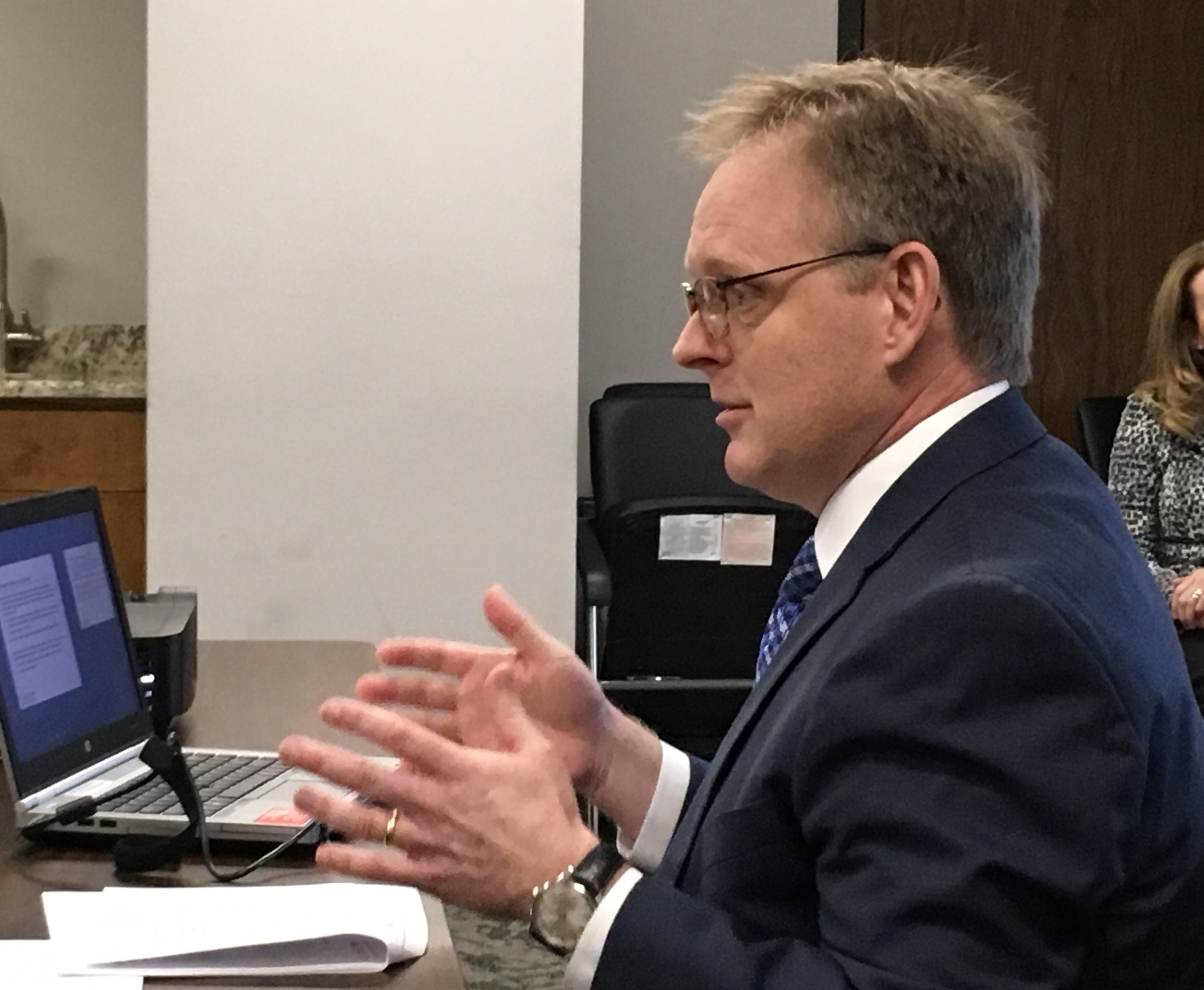
Timothy A. Clark, Managing Director UST and Wealth Strategies Advisor at U.S. Trust speaks to nonprofit professionals at the Texas Grants Resource Center

Many of the changes to the federal tax code (passed at the end of 2017) have taken effect this year. This month, the Texas Grants Resource Center (TGRC) had a primer on how these changes might influence the work of nonprofit organizations.

Timothy A. Clark, Managing Director UST and Wealth Strategies Advisor at U.S. Trust and Amber Carden, Senior Vice President and Private Client Advisor at U.S. Trust/Bank of America Private Wealth Management spoke to nonprofit professionals at the TGRC to help guide their mission-driven work through the maze of tax changes.

Some of the top tax law changes that might impact nonprofits are:

  • The adjusted gross income limitation on cash contributions to public charities, including donor advised funds, was increased from 50 to 60 percent;
  • Standard deduction increased from $12,700 to $24,000 for those filing Married-Joint;
  • Pease limitations were repealed (phase-out of itemized deductions no longer applicable).

Will these changes lead to more or less charitable giving? Conventional wisdom suggests that an increase in the standard deduction (for example) means fewer people will itemize deductions, meaning fewer people will be able to take the federal income tax charitable deduction.

However, Americans have been making charitable gifts since before there was even a tax code. Also the data shows that Americans give to nonprofits because they are charitable (not necessarily for a tax incentive). This was one the biggest take-aways from the presentation: nonprofits should keep appealing to donors’ sense of going good – this sense is generally a higher motivator than tax incentives.


Image: Erler

IMPORTANT:  This presentation is designed to provide general information about ideas and strategies. It is for discussion purposes only since the availability and effectiveness of any strategy are dependent upon your individual facts and circumstances. Always consult with your independent attorney, tax advisor, investment manager, and insurance agent for final recommendations and before changing or implementing any financial, tax, or estate planning strategy.
 

Twitter for Nonprofits

IMG_9222[1]

Twitter is known for social engagement. Last week it was fun to take the talk of twitter off-line and into the classroom for some educational engagement in real life.

I was excited to share tips in a presentation called Twitter for Nonprofits at Austin Community College’s Center for Nonprofit Studies. Twitter is one social media tool that can be used to Inform, Engage and Move your audience in support of your nonprofit organization.

Here are some of the tips I shared:

  • Know your audience, speak to your audience;
  • Tell your story;
  • Keep posting and interacting;
  • Plan tweets (use a content calendar);
  • Use quality content;
  • Know your goals;
  • Be authentic;
  • Be patient.

Thank you to all who took the class! Thank you to ACC’s Center for Nonprofit Studies. Check out their list of upcoming classes. And happy tweeting!

Relationships with Foundations

Erica

Erica Ekwurzel – Presenting at the Texas Grants Resource Center

On June 8th, 2018, The Texas Grants Resource Center’s Nonprofit Partner series featured Developing Donor Relationships with Family & Private Foundations, presented by Erica V. Ekwurzel, CFRE. Erica shared tips from her experience leading and supporting family and private grantmakers.

Here are some of the top take-aways from the TGRC session:

  • When it comes to applying for grants – don’t do “mission drift.” Don’t lose sight of your mission by chasing grant funding that reflects the ideas of others;
  • Review and proofread all applications;
  • If you know one foundation…well, you know one foundation.
  • Make sure that the application you send is purposeful and intentional;
  • Have data to support your proposal.

For more information on presentations by the Texas Grants Resource Center, visit Texasgrc.org.


Image: Erler

Peer-to-Peer Fundraising Tips

Qgiv NTEN May 2018

Todd Baylis of Qgiv at Austin’s NTEN Nonprofit Tech Club – May 24, 2018

Nonprofit organizations are getting a little help from friends. More and more nonprofits are inviting their biggest fans to spread the word and help raise funds for their causes.

It is called peer-to-peer (P2P) fundraising and at their May meeting, Austin’s NTEN Nonprofit Tech Club chapter got a crash course from Todd Baylis, Qgiv President.

An organization’s supporters can reach out to their network of friends to introduce them to the nonprofit through crowdfunding, walk-a-thons, giving days and more. Todd’s top P2P tips include:

  • Engage donors;
  • Cultivate relationships;
  • Provide a sense of urgency (this will minimize procrastination);
  • Create templates of messages;
  • Provide training and guides for your fundraisers;
  • Incorporate badges;
  • Also, provide an opportunity for off-line gifts.

Oh, and don’t forget that Qgiv has a peer-to-peer fundraising platform that can help enhance P2P efforts.

Austin’s NTEN Nonprofit Tech Club, a program of the Nonprofit Technology Network (NTEN), has presentations every month. Click here for info about upcoming events.


Image: Erler

What Do Funders Think?

Funders Forum

Nonprofits: does it sometimes seem as if there is a cloud of mystery keeping you from finding out what funders want?

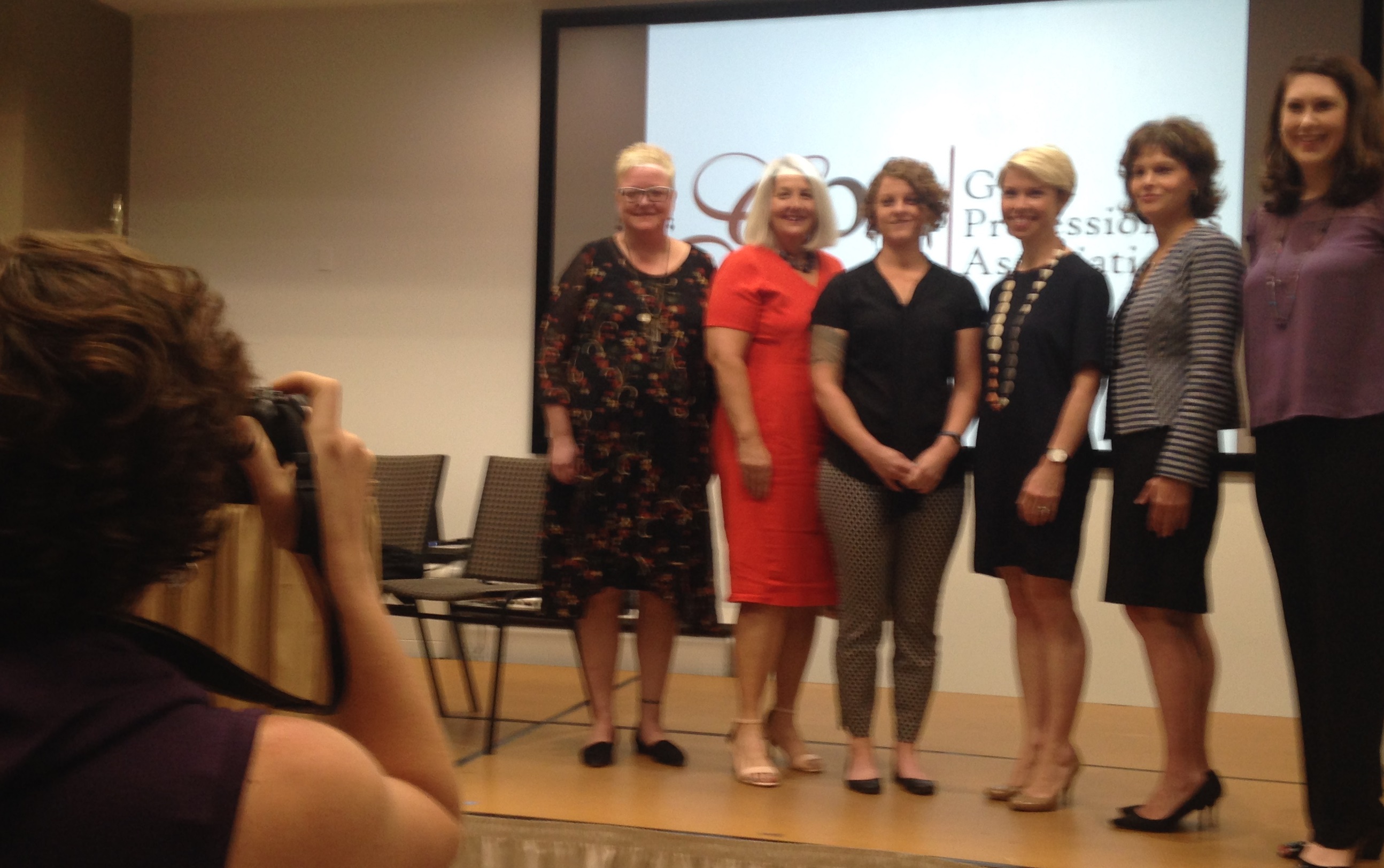
All clouds lifted on May 11, 2018  at the Annual Central Texas Funders Forum presented by the Grant Professionals Association – Austin Chapter. Representatives from regional funders were there to answer questions, provide channels of communication and develop ways to work together.

The kinds of funders included: private, corporate, and community foundations. There were panel presentations and small group opportunities to ask questions one-on-one.

This year the themes and tips for nonprofits that kept coming up included:

  • Think of funders as partners;
  • Demonstrate there is a need that you will be able to solve together;
  • Funders want transparent communication;
  • Funders want to hear how their gifts and investments are touching the community;
  • Evaluation of activities is they key to sustainability;
  • Funders don’t want surprises.

It is conversations like these that help both service providers and funders support the community.


Image Credit: Erler